
White glass is one of the most versatile and aesthetically pleasing decorative blocks in Minecraft. Whether you are constructing a sleek modern mansion, a bright greenhouse, or an underwater dome, white glass offers a clean, frosted appearance that ordinary clear glass simply cannot match. Despite its popularity among builders, many newer players are unsure how to obtain it, what makes it different from regular glass, and how to get the most out of it in their projects. This guide covers everything you need to know about white glass in Minecraft, from crafting recipes and material properties to practical building applications and frequently asked questions.
What Is White Glass in Minecraft?
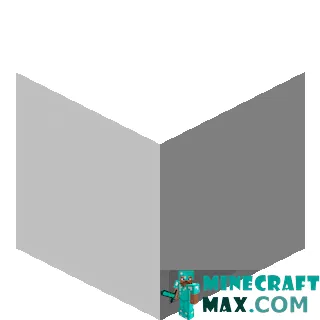
In Minecraft, the block officially known as white stained glass is a translucent, brightly colored variant of standard glass. It was introduced in version 1.7.2, also known as “The Update That Changed the World,” which added all sixteen colors of stained glass to the game. Before that update, players only had access to clear glass, which limited creative expression significantly.
Visually, white glass resembles frosted glass in real life. It is semi-transparent, allowing you to see silhouettes and shapes through it while softening the view with a milky white overlay. Unlike tinted glass (added later in version 1.17), white stained glass does not darken or obscure what lies behind it completely—it strikes a balance between privacy and visibility.
Functionally, white glass behaves almost identically to regular glass. It is fragile, shatters permanently when broken without a Silk Touch tool, and serves primarily as a decorative and architectural material rather than a structural one.
How to Make White Glass in Minecraft
Crafting white glass is straightforward, but it requires a few steps and some preparation. Here is the complete process from start to finish.
Step 1: Gather Sand
You will need regular sand, which is found abundantly on beaches, in deserts, near rivers, and on the ocean floor. Simply dig it up with any shovel—or even by hand—to collect it quickly. One block of sand produces one block of glass, so plan your quantities based on how large your project will be. Large window walls can consume hundreds of blocks, so it is wise to over-collect.
Step 2: Smelt Sand Into Glass
Place your sand in a furnace, blast furnace, or smoker alongside a fuel source such as coal, charcoal, or wood planks. Each piece of sand smelts into one block of glass. If you are producing glass in bulk, consider setting up an array of furnaces or a super smelter to speed up the process dramatically.

Có thể bạn quan tâm: Minecraft White House: Hướng Dẫn Xây Dựng Nhà Trắng Trong Thế Giới Khối Vuông
Step 3: Obtain White Dye
White dye can be crafted from two main sources:
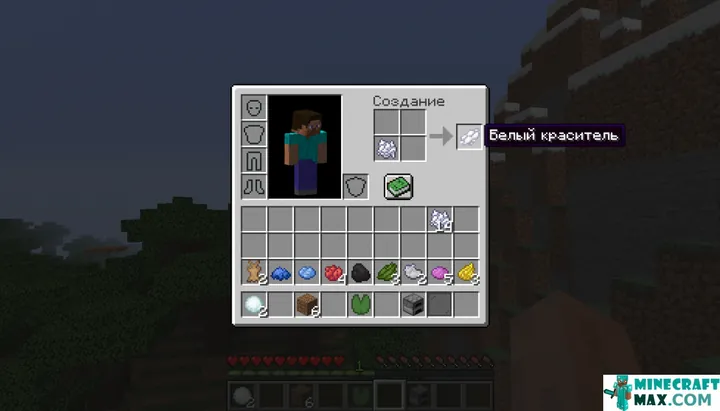
- Bone meal: Crafted from bones, which drop from skeletons or can be found in fossil structures underground. One bone crafts three pieces of bone meal.
- Lily of the valley: A rare white flower found in flower forests. Placing one in a crafting grid yields one white dye.
Bone meal is by far the easier option for most players, especially early in the game, since skeletons are common hostile mobs encountered nearly everywhere.
Step 4: Combine Glass and White Dye
Open your crafting table and arrange the materials as follows:
- Place one white dye in the center slot of the 3×3 grid.
- Surround it with eight blocks of glass in every remaining slot.
This recipe produces eight blocks of white stained glass, making it very efficient—one dye colors eight blocks at once. There is no way to produce fewer than eight per craft, so keep that ratio in mind when planning.
As a bonus tip, you can recolor existing stained glass the same way. If you accidentally craft blue stained glass but wanted white, simply combine eight blue stained glass blocks with white dye to convert them.
Alternative Ways to Obtain White Glass
While crafting is the primary method, there are a couple of alternatives worth knowing.
Using a Silk Touch Tool
Glass—and by extension, white glass—shatters into nothing when broken by hand or with any normal tool. However, if you enchant a pickaxe with Silk Touch, breaking white glass will drop the block itself, allowing you to relocate or reuse it. This is invaluable for builders who frequently redesign their creations. Note that Silk Touch works on stained glass just as it does on regular glass.
Finding It in Generated Structures
Unlike some other stained glass colors that appear naturally in the world—such as magenta stained glass in End Cities or the orange and blue stained glass found in desert temples—white stained glass rarely generates in vanilla structures. This means crafting remains your most reliable source. If you play on servers with player shops or minigames, however, white glass is often available for purchase, saving you the smelting time.
Key Properties of White Glass

Có thể bạn quan tâm: Minecraft Where To Find Flint: Hướng Dẫn Toàn Diện Cách Tìm Và Farm Đá Lửa Hiệu Quả Nhất
Understanding the technical characteristics of white glass helps you use it effectively and avoid costly mistakes.
Light Transmission
One of the most important properties of white glass is that it allows light to pass through completely. In Minecraft’s lighting engine, light traveling through stained glass is not reduced, meaning a room lit by sunlight through a white glass roof stays fully illuminated. This differs from real-world frosted glass and makes white glass excellent for greenhouses, skylights, and mob-proof lighting setups. Only tinted glass blocks light in the game.
Fragility and Blast Resistance
White glass has a hardness value of 0.3 and a blast resistance of only 0.3, making it one of the weakest blocks in the game. Creepers, TNT, ghast fireballs, and even stray arrows can destroy it easily. Never rely on white glass for defense or protection of valuable areas. Its fragility, however, means it breaks instantly when mined, speeding up demolition work.
Non-Spawnable Surface
Transparent blocks like white glass cannot host mob spawns. Hostile monsters will never appear on top of white glass floors or roofs, even in low-light conditions. Savvy technical players exploit this property when designing mob farms, perimeter platforms, and spawn-proofing around bases.
Interaction Restrictions
Several items cannot be placed on or attached to white glass:
- Torches and lanterns cannot hang from its sides or sit on top.
- Redstone dust cannot be placed on its surface.
- Buttons, levers, and similar attachments will not stick to it.
- Slime blocks and honey blocks do not adhere to glass, which is actually useful when building flying machines, as it prevents unwanted sticking.
Pistons can still push and pull white glass normally, so automated doors and moving window designs remain possible.
White Glass vs. Regular Glass vs. Other Stained Glass
How does white glass compare to its counterparts?
Versus regular clear glass: The only meaningful difference is appearance. Clear glass offers unobstructed views, ideal for observation windows and aquariums where you want maximum clarity. White glass provides a softer, more stylized look and pairs beautifully with modern, minimalist, or “clean” build palettes featuring quartz, white concrete, smooth stone, and iron blocks.
Versus darker stained glass colors: All sixteen stained glass colors share identical mechanical properties—the differences are purely cosmetic. Darker shades like black or gray glass create moody, dramatic interiors, while white glass maximizes brightness and openness. Because white reflects light visually, rooms built with white glass feel larger and airier.
Versus tinted glass: Tinted glass blocks all light, making it useful for dark rooms and hidden lighting effects, but it also obscures vision more heavily. Choose white glass when illumination matters.
Có thể bạn quan tâm: Mipmap Trong Minecraft Là Gì? Giải Thích Chi Tiết Từ A Đến Z
Best Uses for White Glass in Your Builds
Modern Houses and Skyscrapers
White glass is a staple of contemporary Minecraft architecture. Floor-to-ceiling curtain walls, balcony railings, and geometric window patterns all benefit from its clean aesthetic. Combine it with white concrete pillars, quartz accents, and sea lanterns for a stunning high-rise look.
Greenhouses and Farms
Because light passes through undiminished, white glass roofs let crops grow indoors while protecting them from trampling and pests. Build a greenhouse frame from spruce logs or stripped oak and fill the panels with white glass for a charming, functional garden structure.
Aquariums and Observation Domes
Underwater bases and aquarium tunnels gain a dreamy quality when lined with white glass. Fish and axolotls appear softly diffused behind it, creating an elegant display wall. Just remember that glass cannot be placed against waterlogged spaces carelessly—you may need sponges to manage water flow during construction.
Pixel Art and Murals
Artists sometimes incorporate white glass into large-scale pixel art for translucent sections or glowing effects when paired with light sources behind the artwork.
Spawn-Proof Platforms
Technical players cover large surfaces in white glass to prevent hostile mob spawning while maintaining walkable, visible terrain—perfect around villager trading halls and iron farm areas.
Có thể bạn quan tâm: Khối Lúa Mì Trong Minecraft (minecraft Wheat Block): Hướng Dẫn Toàn Diện Từ A Đến Z
Crafting White Glass Panes
For thinner, more realistic windows, convert your white glass into white stained glass panes. Place six white stained glass blocks in the top two rows of a crafting grid to yield sixteen panes. Panes occupy less visual space, connect automatically to adjacent panes and blocks, and are perfect for detailed window frames, railings, and decorative dividers. Keep in mind that panes are even more fragile than full blocks and cannot be placed horizontally as floors.
Common Mistakes to Avoid
- Breaking glass without Silk Touch – Always double-check your held tool before demolishing a window wall.
- Using white glass as roofing in the Nether – Ghasts will shatter it in seconds.
- Expecting privacy – While white glass blurs details, players and mobs are still visible through it at close range.
- Wasting dye – Remember the recipe always yields eight blocks, so batch your crafting efficiently.
Frequently Asked Questions
Does white glass block sunlight for crop growth?
No. White stained glass transmits full light levels, so crops grow normally beneath it.
Can you turn white glass back into regular glass?
Not through crafting, but a Silk Touch pickaxe lets you collect and reuse it anywhere.
Do mobs see players through white glass?
Hostile mobs generally cannot attack through glass, making it safe for observation areas, though they may still track your movement nearby.
Is white glass available in Bedrock Edition?
Yes. All stained glass colors, including white, exist in both Java and Bedrock editions with nearly identical behavior.
Conclusion
White glass is far more than a simple colored variant—it is a cornerstone block for builders who value brightness, cleanliness, and versatility. With an easy crafting recipe requiring only sand, fuel, and bone meal, anyone can produce it in large quantities within minutes of starting a world. By understanding its light-transmitting properties, fragility, and unique interaction rules, you can deploy white glass confidently across modern architecture, functional farms, and creative art projects alike. Stock up on sand, keep a Silk Touch pickaxe handy, and let your imagination transform this humble frosted block into something spectacular.