
The phrase “gaming machine” is often encountered in discussions about entertainment technology, and while it may sound like a simple translation of a non‑English term, its meaning in English is nuanced and context‑dependent. In everyday conversation, “gaming machine” can refer to any device specifically designed for playing games, but the precise definition expands to encompass a wide array of hardware, software, and cultural phenomena. This article explores the multiple layers of meaning behind “gaming machine,” tracing its etymology, categorizing the various forms it takes, examining its historical evolution, and considering its impact on society and the future of interactive entertainment.
1. Basic Definition and Etymology
At its most literal level, a “gaming machine” is a machine that facilitates gaming. The word “gaming” derives from the verb “to game,” which itself originates from the Old English “gamen,” meaning “sport, play, or amusement.” The suffix “‑ing” transforms the verb into a gerund, indicating the activity of playing. When combined with “machine,” the term denotes an apparatus that enables or enhances this activity. In English, the phrase can be used generically, but it also carries specific connotations depending on the context in which it appears.
In technical documentation, “gaming machine” might be employed to describe any electronic device whose primary function is to run game software. This includes dedicated consoles, personal computers optimized for gaming, handheld devices, and even arcade cabinets. Conversely, in casual conversation, people may use “gaming machine” as a for “video game console” or “gaming PC,” often omitting the word “video” for brevity.
2. Categories of Gaming Machines
To fully grasp the scope of the term, it helps to break down the various categories of devices that can be labeled “gaming machines.” Each category possesses distinct hardware architectures, target audiences, and interaction paradigms.
2.1. Video Game Consoles
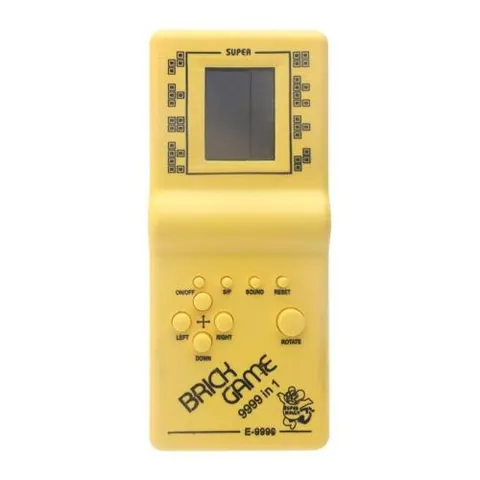
Có thể bạn quan tâm: Top 5 Máy Chơi Game Giá Khoảng 400k – 400 USD Tốt Nhất Năm 2026: Retro Handhelds Và Thiết Bị Gaming Entry-level Hàng Đầu
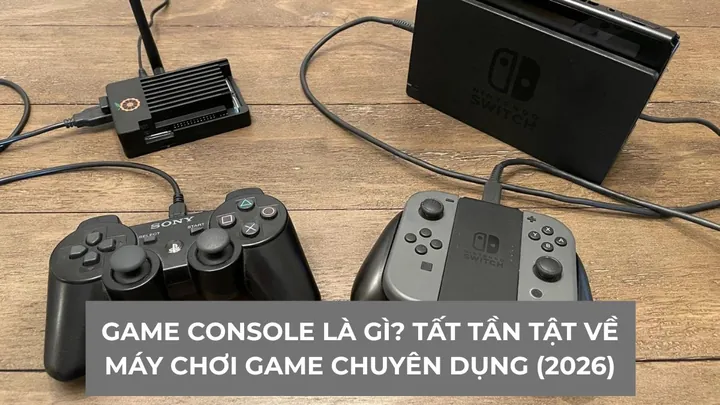
Video game consoles are perhaps the most recognizable type of gaming machine. These are standalone hardware units designed to connect to a television or monitor and run proprietary software. Examples include the Sony PlayStation series, Microsoft Xbox family, Nintendo Switch, and older systems such as the Sega Genesis or Super Nintendo Entertainment System. Consoles typically feature custom processors, specialized graphics units, and a closed ecosystem where games are distributed through physical media or digital storefronts.
2.2. Handheld Gaming Devices
Handheld gaming machines prioritize portability. They integrate a screen, controls, and battery power into a single compact unit. Notable examples are the Nintendo Game Boy, PlayStation Portable (PSP), Nintendo 3DS, and more recently, the Nintendo Switch Lite. Handhelds often emphasize tactile controls, such as D‑pads, analog sticks, and touchscreens, to provide an immersive experience on the go.
2.3. Gaming Personal Computers (PCs)
A gaming PC is a computer system engineered to handle the demanding computational requirements of modern video games. These machines may be pre‑built or custom‑assembled, featuring high‑performance CPUs, dedicated GPUs, ample RAM, and fast storage solutions. The PC platform offers a vast library of games across multiple digital distribution services like Steam, Epic Games Store, and GOG, as well as the ability to run emulators for older consoles.
2.4. Mobile Gaming Devices
Smartphones and tablets have become ubiquitous gaming machines. The Apple iPhone, Android devices, and dedicated gaming phones such as the ASUS ROG Phone or Xiaomi Black Shark series are equipped with powerful processors and high‑refresh‑rate displays. Mobile gaming often emphasizes touch controls, accelerometer input, and integration with social platforms, making it accessible to a broad demographic.
Có thể bạn quan tâm: Máy Chơi Game PS2: Đánh Giá, Giá Bán Và Xu Hướng Năm 2026
2.5. Arcade Cabinets
Arcade machines are coin‑operated devices typically found in entertainment venues. They feature specialized hardware optimized for a specific game or a small set of games, with robust controls such as joysticks and buttons. Classic examples include Pac‑Man, Street Fighter II, and more contemporary titles like Dance Dance Revolution. Arcade cabinets are designed for short, high‑intensity play sessions and often include leaderboards to foster competition.
2.6. Virtual Reality (VR) and Augmented Reality (AR) Systems
Modern gaming machines extend into immersive environments. VR headsets like the Meta Quest series, HTC Vive, and PlayStation VR require powerful computers or consoles to render three‑dimensional worlds. AR devices, such as Microsoft HoloLens or mobile AR apps, overlay digital content onto the physical world, creating hybrid experiences that blur the line between reality and simulation.
3. Historical Evolution
The concept of a gaming machine has evolved dramatically over the past several decades. Early mechanical devices, such as pinball machines and fortune‑telling automatons, laid the groundwork for electronic gaming. The 1970s witnessed the emergence of the first video game consoles, notably the Magnavox Odyssey, which introduced the idea of using a television as a display for interactive entertainment.

Có thể bạn quan tâm: Top 10 Máy Chơi Game Tay Cầm Tốt Nhất Năm 2026: Đánh Giá Chi Tiết Về Hiệu Năng, Thiết Kế Và Giá Cả
The 1980s brought about the golden age of arcades, with titles like Space Invaders and Galaga capturing public imagination. Home consoles such as the Atari 2600 and Nintendo Entertainment System (NES) popularized gaming in households, establishing franchises that remain influential today. The 1990s saw the introduction of 3D graphics, CD‑ROM storage, and the rise of PC gaming with titles like Doom and Wolfenstein 3D.
The turn of the millennium introduced online multiplayer experiences, broadband connectivity, and digital distribution platforms. The PlayStation 2, Xbox, and GameCube era emphasized networked play, while the seventh generation (Xbox 360, PlayStation 3, Wii) brought high‑definition graphics and motion controls. The eighth generation (PlayStation 4, Xbox One, Wii U) further refined online services, streaming capabilities, and social integration.
In recent years, cloud gaming services such as Google Stadia, NVIDIA GeForce Now, and Xbox Cloud Gaming have begun to decouple the gaming experience from specific hardware, allowing players to stream games to a variety of devices. This shift hints at a future where the physical “machine” may become less relevant, replaced by server‑based infrastructure.
4. Terminology and Nuances
While “gaming machine” is a broad term, several related phrases are often used interchangeably or with specific connotations:
- Video Game Console: Emphasizes the device’s role as a dedicated console for playing video games, typically connected to a TV.
- Gaming Device: A more generic term that can encompass consoles, handhelds, PCs, and mobile phones.
- Game System: Frequently used in marketing to describe a console ecosystem, implying both hardware and software integration.
- Gaming Platform: Refers to the combination of hardware, operating system, and distribution network (e.g., Steam, PlayStation Network).
- Interactive Entertainment System: A phrase that highlights the experiential aspect, often used in academic contexts.
The choice of terminology can influence perception. For instance, labeling a smartphone as a “gaming machine” might evoke images of high‑performance hardware, whereas calling it a “mobile device” underscores its general‑purpose nature.
5. Cultural Impact
Gaming machines have become integral to modern culture, shaping social interactions, storytelling, and even education. Multiplayer online games foster communities where players collaborate across continents, while narrative‑driven titles like The Last of Us and Red Dead Redemption 2 are studied for their cinematic qualities.
Có thể bạn quan tâm: Nintendo Switch OLED: Máy Chơi Game Mario Đỉnh Cao Nhất Năm 2026
Esports, competitive gaming organized around specific titles, has grown into a global phenomenon, with events drawing millions of viewers and substantial sponsorship. The rise of streaming platforms such as Twitch and YouTube Gaming has turned gaming into a spectator sport, creating new career paths for content creators.
Moreover, gaming machines serve as tools for education and therapy. Serious games, designed for purposes beyond entertainment, are used in classrooms to teach subjects like mathematics, history, and language skills. In healthcare, virtual reality applications assist in pain management, rehabilitation, and mental health treatment.
6. Economic Considerations
The gaming industry is a multi‑billion‑dollar market, encompassing hardware sales, software licensing, digital distribution, and ancillary services. Console manufacturers often adopt a “hardware‑first” strategy, selling devices at a loss to build a user base, then profiting from game sales, subscriptions, and peripherals.
PC gaming, by contrast, thrives on a modular ecosystem where consumers can upgrade individual components. This has given rise to a robust aftermarket for graphics cards, processors, and cooling solutions, as well as a vibrant community of enthusiasts who share benchmarks and customization tips.
Mobile gaming has become the largest segment by revenue, driven by free‑to‑play models, in‑app purchases, and advertising. The low barrier to entry—most people already own a smartphone—allows developers to reach massive audiences, though it also intensifies competition.

7. Technological Trends
Several emerging trends are reshaping the landscape of gaming machines:
- Cloud Gaming: By streaming games from remote servers, cloud platforms aim to eliminate the need for high‑end local hardware, making gaming accessible on any internet‑connected device.
- Artificial Intelligence (AI): AI is being integrated into game design for procedural content generation, non‑player character behavior, and personalized gameplay experiences.
- Virtual and Augmented Reality: As VR/AR hardware becomes more affordable and less cumbersome, immersive experiences are moving from niche to mainstream.
- Cross‑Platform Play: Increasingly, games support play across consoles, PCs, and mobile devices, fostering unified communities.
- Sustainability: Manufacturers are exploring energy‑efficient components, recyclable materials, and digital distribution to reduce the environmental footprint of gaming hardware.
8. Future Outlook
Looking ahead, the concept of a “gaming machine” may continue to blur the lines between physical and digital realms. Advances in brain‑computer interfaces could enable direct neural input, while 5G networks promise low‑latency streaming experiences. The metaverse—a shared virtual space—might become the next frontier, where gaming machines serve as portals to persistent online worlds.
However, challenges remain. Concerns over data privacy, online harassment, and the ethical implications of AI‑driven content require thoughtful regulation and industry self‑policing. Additionally, the concentration of power among a few platform holders could stifle innovation, prompting calls for open standards and interoperability.
9. Conclusion
In summary, “gaming machine” in English is a versatile term that can describe any device engineered for interactive play. From the earliest arcade cabinets to today’s cloud‑streamed experiences, these machines have continually evolved, reflecting advances in technology and shifts in cultural preferences. Understanding the breadth of what constitutes a gaming machine not only enriches our vocabulary but also illuminates the dynamic interplay between hardware, software, and human creativity that defines the medium. As we move toward an increasingly connected and immersive future, the essence of a gaming machine—whether a handheld console, a high‑performance PC, or a server in the cloud—will remain rooted in its capacity to engage, entertain, and inspire.